
Bob Beltz Interview: The Amazing Grace Movie 20 Years Later + Narnia Film Adaptations
Bob Beltz on William Wilberforce, Amazing Grace (2006), and adapting CS Lewis's Narnia.

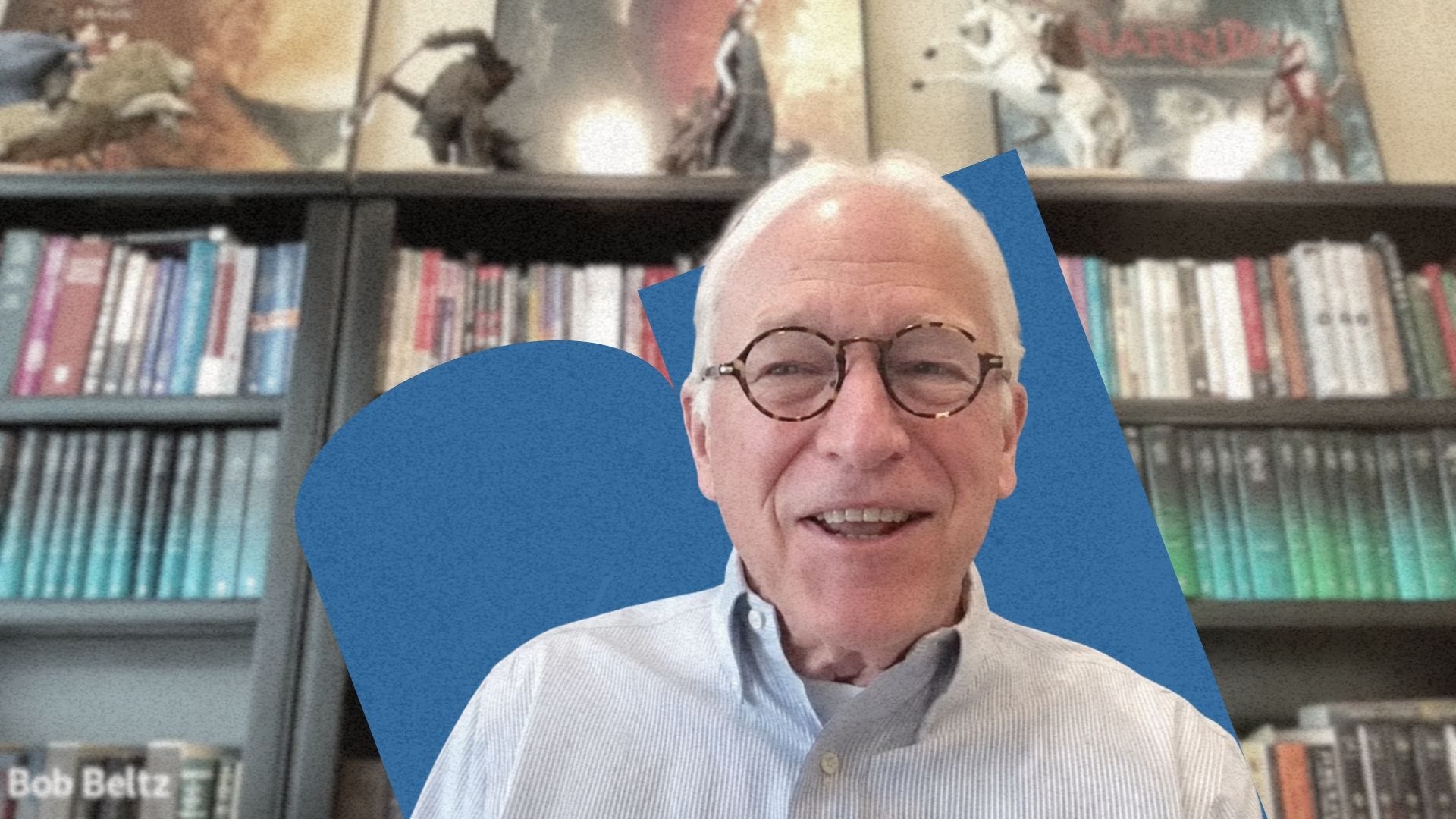
You may not know the name Bob Beltz, but you almost certainly know his legacy. A minister for 50 years and president of the Telos Project, Beltz served as a key advisor for Walden Media, helping develop, produce, and market dozens of films and television projects over the past 25 years, including The Lion, the Witch, and the Wardrobe, Prince Caspian, Because of Winn-Dixie, Ray, Sahara, The Bible miniseries, and Amazing Grace.
Turning 20 this year, Amazing Grace stands out as a gem of faith-based—or at least faith-influenced—cinema. The film’s star-studded ensemble includes Ioan Gruffudd, Benedict Cumberbatch, Michael Gambon, Albert Finney, and Rufus Sewell, all helmed by director Michael Apted (Coal Miner’s Daughter, The World Is Not Enough). The striking cinematography and tender musical score bolster an impressive script that effectively captures 25 years in the life of William Wilberforce as he fights to steer anti-slave trade legislation through the British parliament.
Beltz and I recently spoke about his involvement in Amazing Grace, its enduring legacy, and why Wilberforce’s story remains relevant today. During our conversation, which has been edited for length and clarity, we discussed the behind-the-scenes effort to keep faith-driven elements intact in major films, the challenges of adapting classic works for modern audiences, and how believers can draw inspiration from this story to bring about meaningful societal change.
Bob, it’s an honor. My dad’s a pastor, and I’m a film composer. I also write blogs about the intersection of faith and film, so I’m thrilled to be able to interview you today.
Well, I appreciate you having me on and just being able to talk a little bit about what I think is a great film. I imagine that you might be a fan also.
Absolutely. I remember watching it when I was 10 years old, when it first released. So getting to revisit it this past week was a real joy. So first, how did you as a minister get involved with Amazing Grace, but also the film industry in general?
Well, I’ve had what I consider a great privilege to be involved with Walden for 25 years, and I serve as kind of a special adviser. I’ve had some part in almost every film we’ve done—if it’s only reading the script and making sure it fits our mission statement. But anything that has a faith element in it, that’s kind of my role in the company: to make sure that that’s on track. In the Narnia films, it was my job to fight with everybody in Hollywood that didn’t want to put in the elements that were the most important elements in the stories.
So anyway, part of that time, of course, I was full-time pastoring for about 50 years, and part of that time I had left church ministry and had my own nonprofit that I write and teach under. When I retired from the church, I’ve continued to work with Walden, and then I’ve continued to do online work and write some stuff. So I’m as busy as I’ve ever been, but I don’t have to mess with the administrative side of all of that.
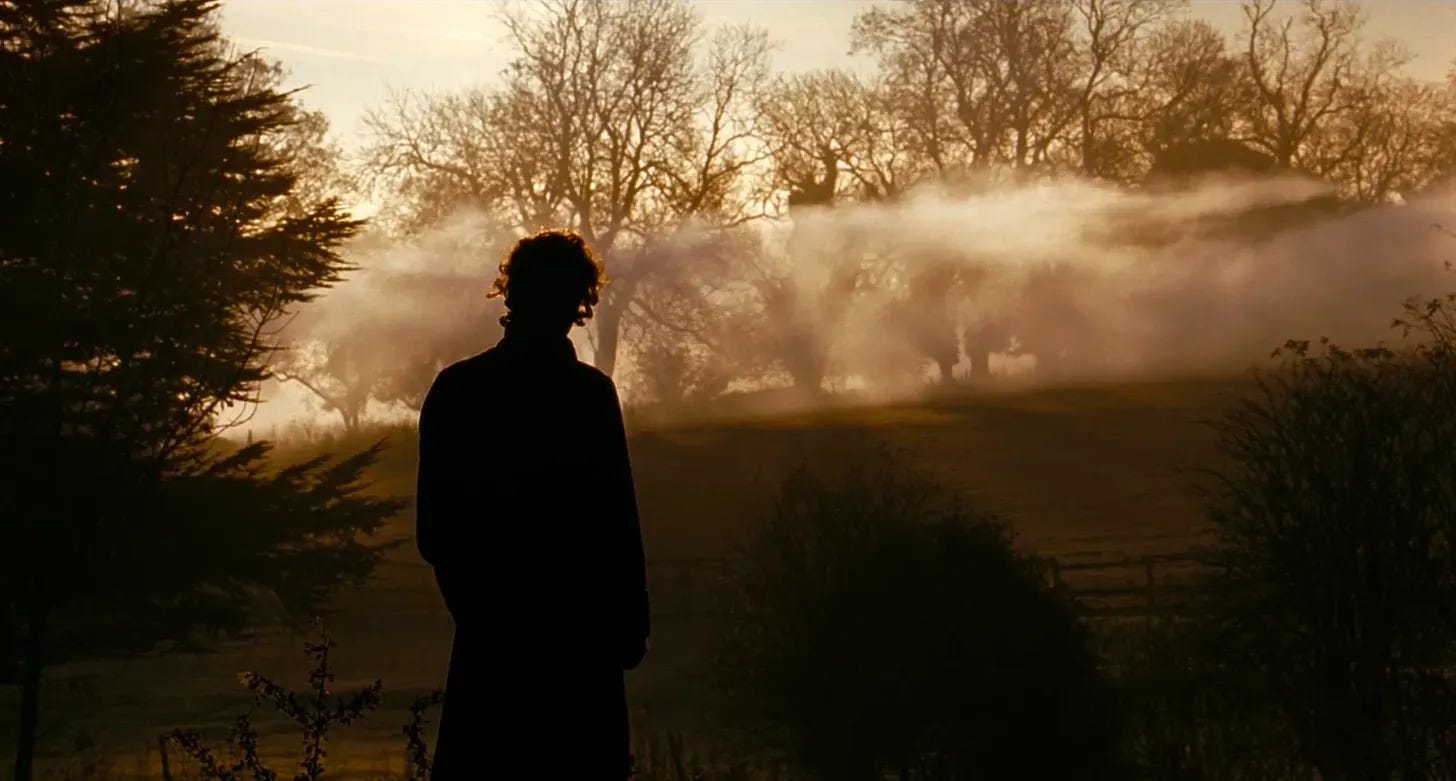
When it comes to Amazing Grace specifically, what do you remember? What was it like getting that film off the ground? What was your involvement in that film and telling Wilberforce’s story?
Well there were a lot of people that didn’t want to do the film because they felt like nobody knows this guy and nobody’s going to come to the theaters to see the film. To his credit, the owner of the company pushed hard. It was his idea, and I was excited. I was familiar with Wilberforce before we went to work on the film, but I think the circle of people that knew about him was relatively small. Anytime that the subject would come up about Christians engaging culture or politics, it was always Wilberforce that became the example.
The more we worked on the film, the more I became convinced that this was literally one of the greatest human beings that’s ever walked the planet. In the film we try to capture it, but he was much greater than you see in the film in many ways. But it’s a way that we’ve been able to introduce him and the way he changed the world to many people. We’re excited that there’s a new generation that’s not only not seen the film, but probably has no idea who William Wilberforce was. And so I think the time is right to try and get it out to this new generation.
It is tragic how relatively unknown he still is, because he was such a key figure in history and Christian leadership. Why do you believe his story is just as relevant today as it was over 250 years ago when he lived, but also 20 years ago when the film was released?
Well, it’s interesting because a lot of the battles that he was fighting back then are not dissimilar to what we’re up against. The church in England at the time was really not in great shape. Part of what’s not in the film is that he wrote a book in 1797 that really had quite an impact upon the spiritual climate of England. I felt like I needed to read it for this film, and when I read it, I would read a paragraph and it would take me about 15 minutes to decode it just because of the way they wrote in those days. So I rewrote the book. I did it paragraph by paragraph into contemporary language because I knew none of my friends were going to read the book.
Honestly, if you don’t know the background or when it was originally written, you’d think he was dealing with the exact same things that we’re dealing with today. So his story is extremely relevant. Plus the fact that we’re hopeful that this new generation that seems to have a new interest in faith things—that we can introduce him to them and that he will be a motivator, that the film will motivate and encourage people to get engaged and to make significant and meaningful change.
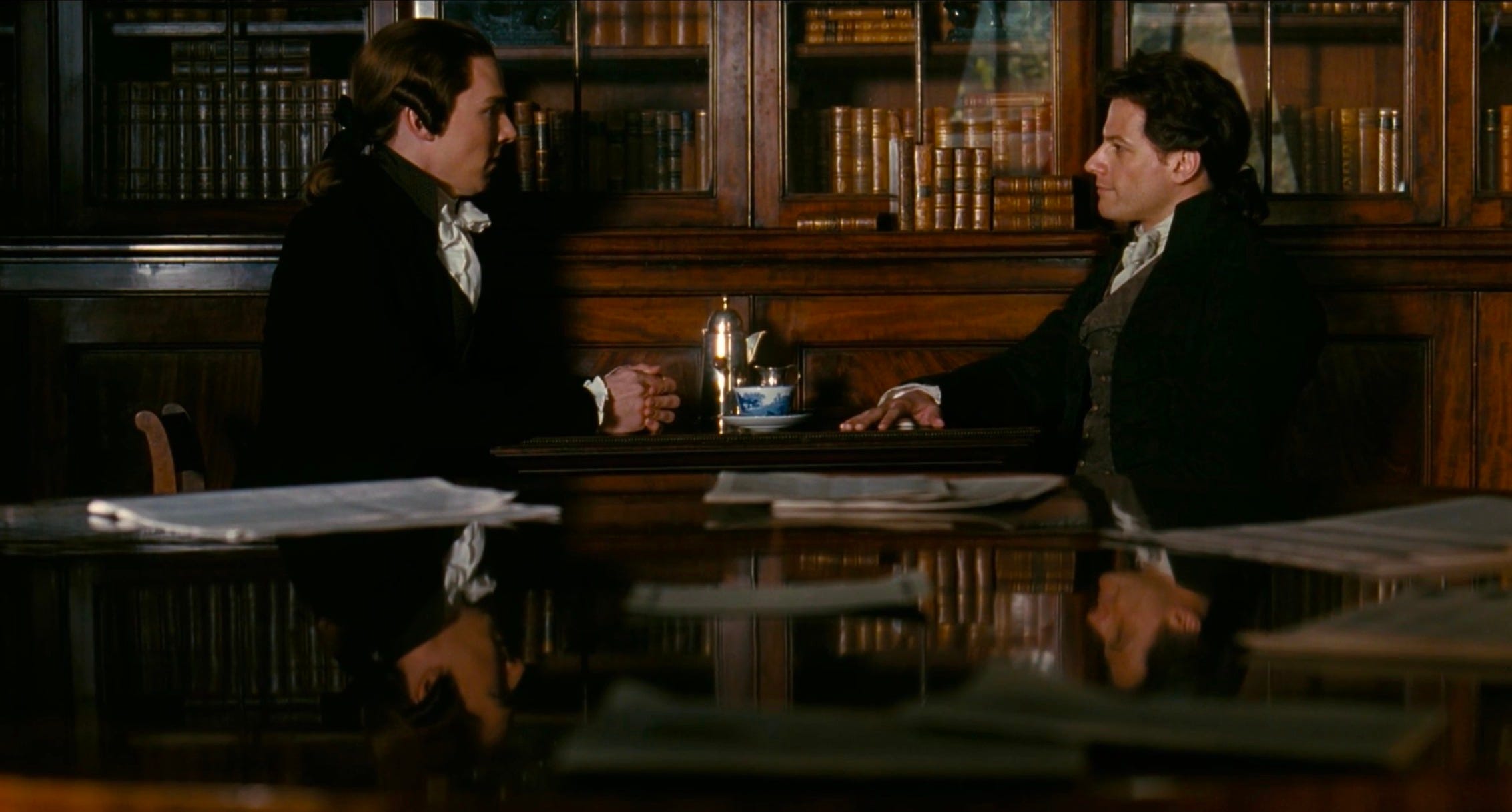
There are a few different directions I want to go with that statement, but first, you released the book Real Christianity, adapting Wilberforce’s book. I certainly don’t want to compare it to scripture, but I know translating scripture has challenges because translators have to put it in modern terms that people understand while still maintaining the truth of scripture. I imagine you faced a little bit of that here: it’s his words in the book, but you needed to modernize it. So, what was your approach to modernizing Wilberforce’s work while keeping the core intact?
I tell people that this is the best book I’ve ever written because it does not have one original thought in it! I just tried to be faithful, and that’s why I literally went paragraph by paragraph. I really enjoyed doing it, and learned a lot. Wilberforce fans that have read it have been very complimentary about feeling like the book still captures his original book.
The title of his original book was A Practical View of the Prevailing Religious System of Professed Christians, in the Higher and Middle Classes in This Country, Contrasted with Real Christianity. That was the actual title of the book! I guess they believed in those days in making sure you knew what was in it. I simplified it just to Real Christianity.
The book has had a good influence on a lot of people, and it gives them a sense of who this guy was. Because as much as you try to—even in the film—it was so hard to capture the depth of his own spirituality that really was the motivation that propelled him into the things that he did.
Over the end credits, there are these cards that come up talking about his life. Amazing Grace does a wonderful job of telling the story of that specific topic and chapter of his life, but it’s incredible even as the film ends to realize just how many things he impacted. So I definitely made me want to check out the book and read even more about his thoughts on Christian life.
Well I can’t take much credit for it because all I tried to do was make him understandable to the modern world.
Well that’s a good transition. Let’s talk a little bit about the modern world, because so much of the film is about how William Wilberforce’s political activism was really rooted in his faith. But the intermingling of faith and politics can be controversial today. On all sides of the political spectrum people claim Christianity as a reason to do this, that, or the other. Obviously, William Wilberforce used it as an undeniable force for good. But in your view, what is the takeaway for believers watching this film to use their faith to enact positive political change as opposed to negative political change, or even Christian nationalism?
Well, I think he was a genius at that in some ways. He had an amazing personality. There was something about him, almost like Jesus in terms of the charisma that would attract people to him. He was so engaged in culture that doing good became fashionable. So he had a way of handling this.
I hate to be critical, but the way that things are done in the name of Christ in the political arena particularly these days...boy, I struggle with it. I think we need to be involved in that arena, but we need to be sensitive. We need to be kind, which is a word that you just don’t hear a lot anymore. I think that Wilberforce is a good example. Watch him in this film. Now, there’s tough debate in Parliament, and he had enemies that didn’t like him and didn’t like what he was trying to do, but somehow he was able to work through those things.
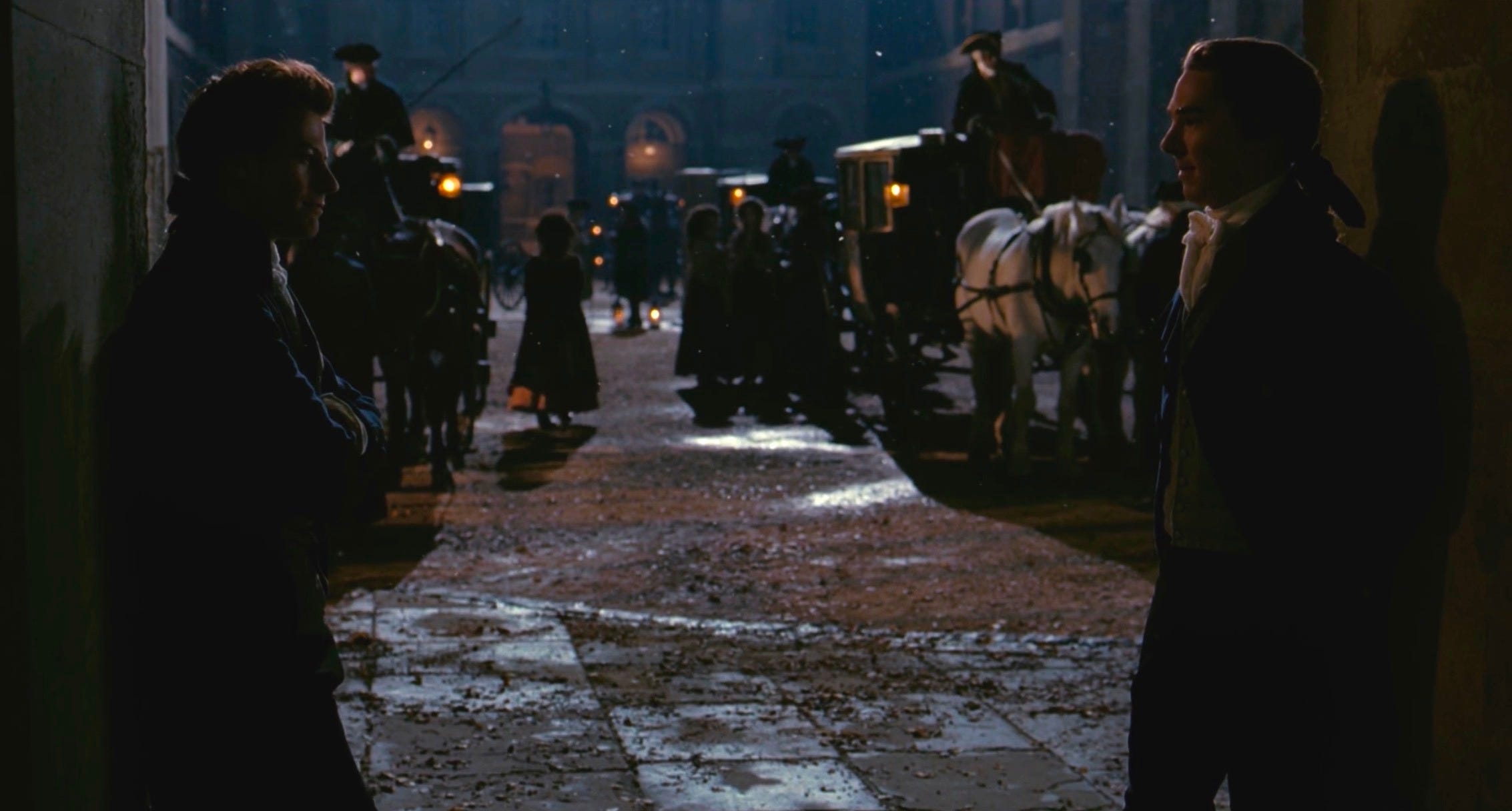
In his own life, he struggled with this too. He had lost his faith, basically. There’s an experience that’s not in the film, when he went on a vacation with a gentleman named Isaac Milner They discussed a book that was kind of like the Mere Christianity of the day called The Rise and Progress of Religion in the Soul. Out of that, he had this experience that he called the “Great Change.” Well, in his day, if you had that kind of passion, you went into ministry. He didn’t know if he should leave politics or stay.
He went to two people for counsel. One was William Pitt, who had been his great friend, who became the Prime Minister of England at the age of 24. Anyway, Pitt said, “Well, why can’t those two things go together? Your faith is important, but don’t leave politics.” Then he went to see John Newton. John Newton had an influence on him as a child. I imagine he thought Newton was probably going to say he should leave politics and go into ministry. And Newton said, “Don’t leave politics. God needs you in politics. Stay there.” So between those two friends giving him that counsel, he made the decision to stay in.
Then he began to pray, “What do You want me to do?” Out of that came what he called his two great objectives. He believed God gave these to him: the one was to fight for the abolition of the slave trade, and the second was to work on what he called the “reformation of manners,” which basically was the transformation of culture and society. So they began to form these organizations. It’s amazing how many of the elite of his day he was able to convince to become part of these societies. They took on everything—he started 90 different societies—from education for the poor, healthcare for the poor, all the way down to the first society for the prevention of cruelty to animals. And the film opens with a scene that is rooted in that fact.
It’s incredible what he was able to do. And to your point about his influences and the people that he was closest to, John Newton isn’t in the film much, but his scenes have a big impact. I’m sure they had to be fictionalized to an extent, but were you happy with the essence of what those scenes were of Newton and Wilberforce talking about faith and about his objectives?
Yeah. The idea of Newton mopping the floors of the church was the writer’s creation, I believe. But I felt like the content was great. A lot of it was actually quotes from Newton. Toward the end of the film, he’s gone blind (interesting, since in the hymn written many years before: “I once was blind, but now I see”). He said something like, “Two things I know: I’m a great sinner, and Christ is a great savior.” That was literally a quote from him. I thought Albert Finney did such an amazing job; he should have gotten a nomination for that role.
It is an outstanding supporting role, and like I said, for such limited screen time, he makes a real impact in those scenes. I do want to briefly pivot subjects and ask you a little bit about Narnia. Having worked on the Narnia adaptations, what did you find to be the biggest challenge in bringing such a beloved literary universe to the big screen?
Well, on the Walden side, everybody was great about the content. On the Disney side, we had to fight crazy battles, and it always was over what I would have considered the key scene in the entire book. So the Stone Table in The Lion, the Witch and the Wardrobe was so screwball. We kept going after them saying, “You’ve got to change this. This is the most important scene.” I was put on an airplane and flown to New Zealand, and I was given the instruction: “Do not leave until Andrew Adamson has this right.” So if you go back and watch that scene now, it’s actually more powerful than the book in some ways, because Adamson adds the word “sacrifice,” which isn’t really in the book. You know, it’s the “deep magic.” And then Disney wanted to make Prince Caspian for a teen audience. Again, some of the most critical scenes just weren’t done right, and so it was a battle.
I am nervous about what Netflix is going to do with it. I don’t know where Greta Gerwig is in her own faith, but let’s hope they don’t just totally annihilate the deal. But for me, that was probably, along with Amazing Grace, the highlight of my 25 years of being able to do this.
Those Narnia films were a highlight of my childhood and teenhood, and I wanted to ask you about the upcoming Netflix one you brought up. If Netflix came to you tomorrow and asked for one piece of advice about adapting Lewis, what would you tell them?
Well, the first thing is I would encourage them to come to me to ask for advice! I wish I was there. The Hollywood guys think they’re smarter than C.S. Lewis. This is the problem. They want to change things. To me, the closer you stay to the original material, the better it’s going to be, because it’s powerful. It’s simplistic in some ways, but Lewis didn’t write it for kids—he wrote it for parents to read to kids so that it would influence the parents. So again, I just hope they don’t totally botch the whole deal. Anyway, I guess we should pray about that.
There we go. Well, Bob, it’s been a pleasure. I’m excited for audiences to rediscover Amazing Grace 20 years later.
Well, thanks, Christian. We really appreciate you allowing us to come on and talk with you about it.
Where to Watch Amazing Grace (20th Anniversary)
Subscription Video on Demand: Angel subscribers can exclusively stream Amazing Grace on their platform through October 31.
Transactional Video on Demand: You can rent Amazing Grace from all digital rental providers, including Prime Video, Fandango, YouTube, and Apple TV.
DVD & Blu-ray: The 20th anniversary edition DVD & Blu-ray of Amazing Grace was released on July 21, 2026.