
A Brief Christian Review of 'The Odyssey' Ending
Exploring faith, despair, and redemption in the ending of Christopher Nolan’s latest epic.

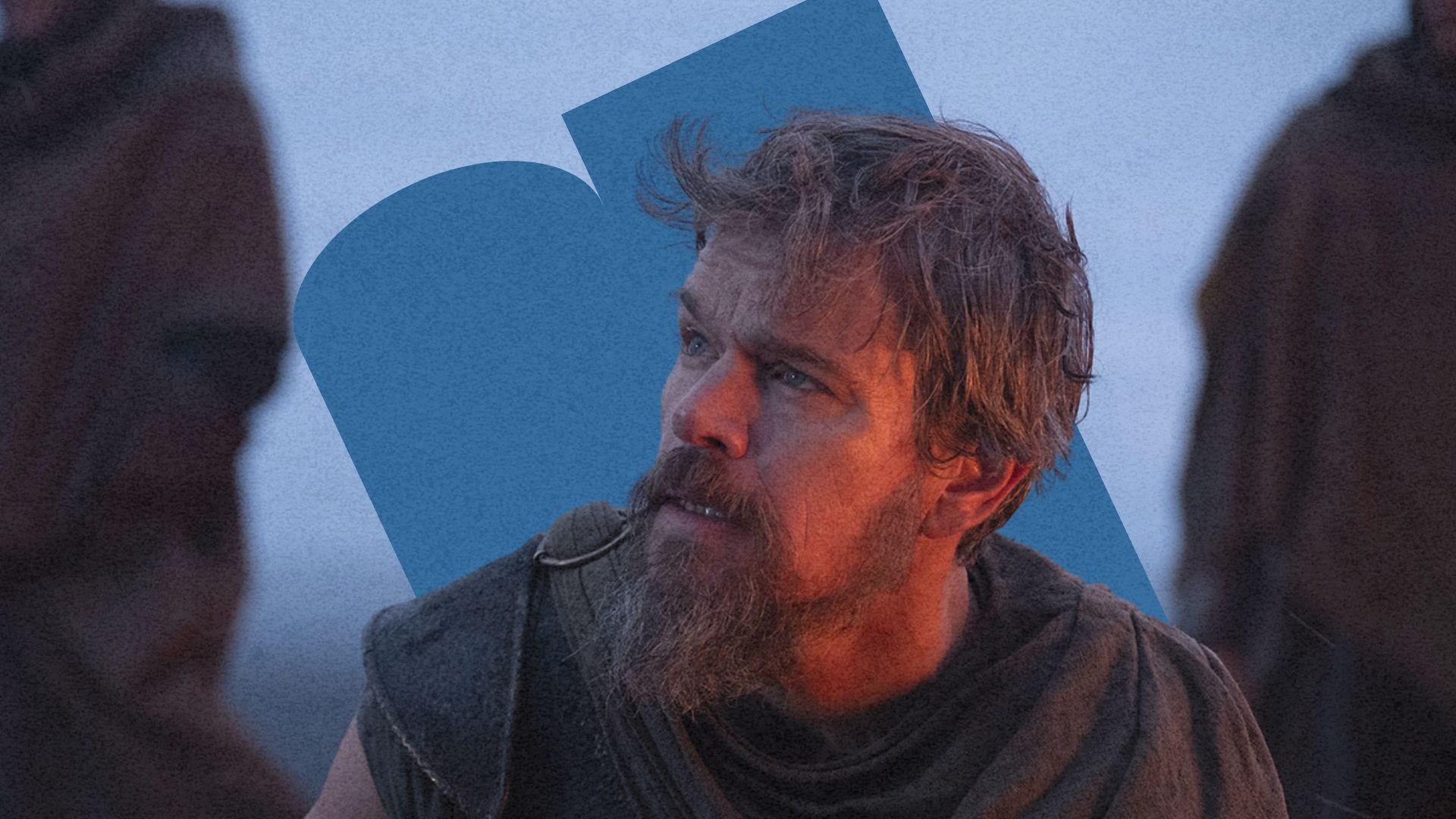
I was left pretty speechless after watching The Odyssey, the definition of “epic” from its tactile production and natural filmmaking style to its emotional performances and long runtime. Russell Moore and Cole Burgett have both done an excellent job in breaking down Christian themes from the film, which span everything from the Golden Rule to our innate longing for a true “home.”
While the film’s scope and thematic weight still leave me formulating my full thoughts, The Odyssey reminded me just how well director Christopher Nolan ends his films. He has a real knack for final scenes that simultaneously sum up a film’s themes while also leaving audiences to think further about its ambiguity. In The Odyssey, Odysseus’s (Matt Damon) final line is rife with meaning:
“A new dawn will break over the darkened world, when our mistakes will once again be forgotten.”
I’m always looking for ways to interpret film via scripture and The Odyssey ending is no different. But here, Odysseus’s quote leaves room for two very different interpretations.
First, there’s the pessimistic interpretation: humanity is doomed to forget and repeat our mistakes. Following Oppenheimer, it’s fair to say this is what Nolan thinks to be true. In my review for Nolan’s 2023 Best Picture winner, I wrote, “Oppenheimer leaves us to grapple with humanity’s sin and recklessness, a reminder of our need for a Savior to stop the ‘chain reaction’ of sin.”
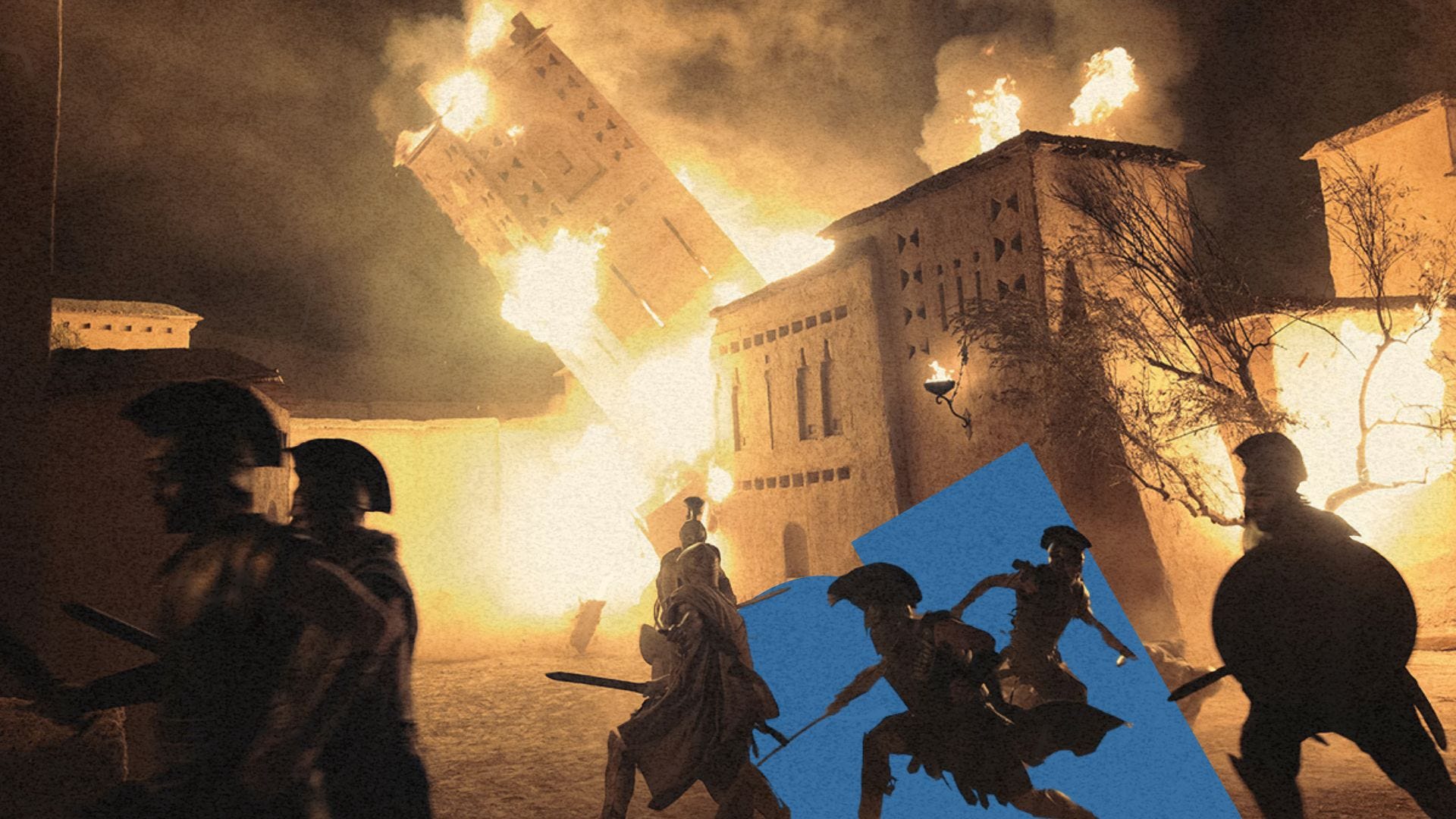
The Odyssey is in direct dialogue with that mindset. Not only does the recklessness of Odysseus and his crew set off a chain reaction resulting in their own perilous journey, but their mistakes pave the way for a future of similar destruction. When Damon says “our mistakes will once again be forgotten,” one could argue he fears a future in which people don’t learn lessons from his story and act just as dishonorably as he did, which comes to fruition in Oppenheimer. Or as the writer of Ecclesiastes would say:
“What has been is what will be, and what has been done is what will be done; there is nothing new under the sun. There is no remembrance of those who came before; and of those who will come after there will also be no remembrance by those who follow them.” — Ecclesiastes 1:9, 11
But while Nolan fears that to be true of humanity, he’s consistently held out hope in his filmography that we can rise above. The Dark Knight trilogy is all about his belief in humanity’s goodness, Interstellar shows humanity fighting for a new dawn to escape “that good night,” and Insomnia ends with its characters embracing the truth by refusing to forget the sins of the past.
In Christian terms, perhaps the new dawn Odysseus speaks of doesn’t mean people will forget their mistakes, but God will. In Isaiah 43:25, God says “I am he who wipes away your sins because of who I am. And so, I will forget the wrongs you have done.” The only hope for mercy and peace is a new dawn in which our sins are forgiven. That’s why it’s justified to still take hope from The Odyssey’s ending, even while heeding its warning:
“Because of the tender mercy of our God, by which the rising sun will come to us from heaven to shine on those living in darkness and in the shadow of death, to guide our feet into the path of peace.” — Luke 1:78-79
Will the rising sun bring destruction or peace? Judgement or mercy? Odysseus (and Christopher Nolan) remains unsure. The choice is ours.