
8 Iconic John Williams Film Scores That Make Me Think of Summer
Compiling the perfect summer movie soundtrack on Meet Me at the Movies.


I had the pleasure of joining Critics Choice member Noel Manning on his show, Meet Me at the Movies, last week. And, as we often do, he and I discussed film scores. Our topic this time was crafting the perfect summer movie soundtrack using the music of John Williams.
John Williams is one of the greatest film composers of all time, and his vast music catalogue has already stood the test of time. You can watch the episode here, but if you don’t have time to check it out, I’ve summarized my thoughts below on the eight iconic John Williams film scores that make me think of summer.
Jaws (1975)
When I’m thinking of the summer, it’s hard not to think about Jaws. It’s widely considered the first summer blockbuster, enjoying widespread box office success and cultural fame. Everyone that summer had a fear of going in the water, which is in no small part thanks to John Williams and his iconic two-note shark motif.
It’s fascinating how the shark theme has entered the cultural lexicon and stayed there in a way that you rarely see from a film score. Even with how memorable some of Williams’ other soundtracks are, few have had the cultural staying power of the Jaws music. It’s hard to pinpoint exactly why. I do think the film being such a massive success as a blockbuster is a big part of it. The simplicity of the music helps too (it’s hard to forget a two-note theme). But beyond that, the music is perfectly orchestrated to feel like the perfect representation of a shark: low bass notes and brass stings all ramping up faster and faster to create tension and anxiety.
All this time later, whether someone has seen the film or not, people hear those notes and instantly know it’s a shark. We’ve seen this occasionally with classical music in the past (like how Flight of the Bumblebee has come to represent bees), but it’s rare and remarkable for a film score to inextricably represent the sound of an animal for our culture.
There’s also a calming sea shanty that Williams wrote that comes in at the very end of the film right before the credits roll. After two hours of tense, dramatic shark encounters, it’s the perfect emotional catharsis to see Brody floating on the gentle waves as this beautiful, calming music by Williams enters in the background. The two-note shark motif may be more memorable, but when I’m thinking of summer and looking for something a little less stressful than shark attacks, I turn on those relaxing cues. Williams did a wonderful job providing equal parts tension and calm in his score.
Lincoln (2012)
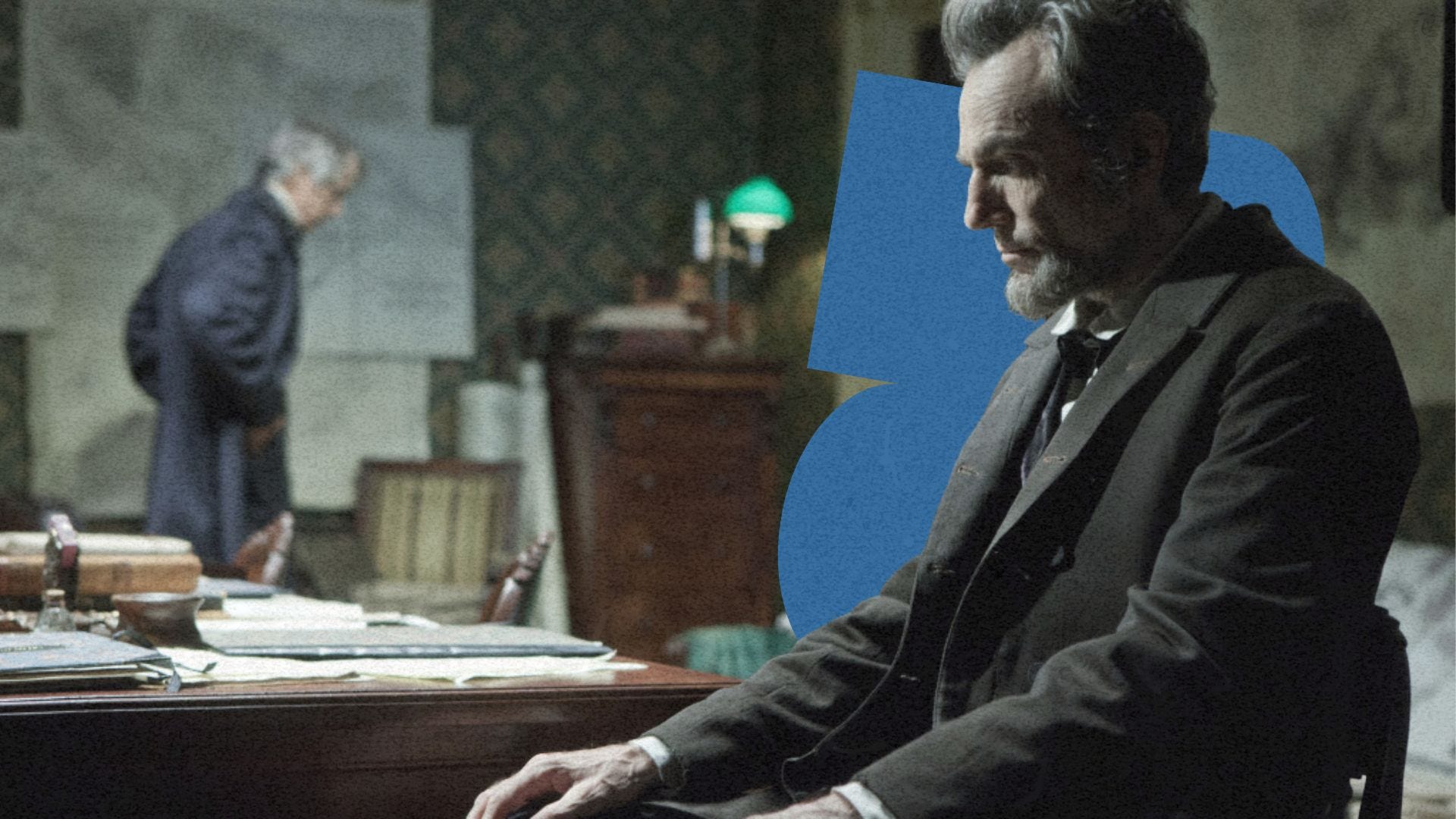
The music of Lincoln couldn’t be more different from Jaws. But when I’m thinking of summer, especially around the Fourth of July, I often think of patriotic music. What music captures the American spirit? Lincoln is the perfect score to embrace that sense of Americana.
It’s a tender, Aaron Copland-inspired score with lots of rousing woodwinds and patriotic brass (Copland had a piece called “Lincoln Portrait” that feels like a key influence on the film’s music). There’s not much in the way of fanfares or marches in this score, but what it lacks in showiness, it more than makes up for in its simple musical portrayal of American life and reflections on the meaning of freedom.
The Patriot (2000)
The Patriot is the other side of the “patriotic coin” that I mentioned with Lincoln. Whereas Lincoln relies on a calm, reflective tone, The Patriot sounds like something a fife band would have played during the Revolutionary War. Williams relies heavily on energetic flutes and driven snare drums to create a patriotic and inspiring score for the film’s revolutionaries marching into battle.
When considering action epics from this time period, The Patriot is often forgotten (Braveheart and The Last of the Mohicans have enjoyed more extended popularity). But the Williams score paired with Roland Emmerich’s large-scale action direction creates a perfect, summertime feel.
Superman (1978)
It’s amazing how many “firsts” John Williams had. Jaws is often labeled as the first summer blockbuster; he wrote the music for it, and it was immediately mainstream. And then Superman really created what filmmakers and audiences consider the modern superhero formula. Williams wrote a thundering fanfare, beginning with a soft, solo horn melody it before it builds into an epic brass march. What’s more, the love theme is absolutely gorgeous, utilizing soaring strings and woodwinds for Clark Kent and Lois Lane’s relationship. It just goes to prove how John Williams was at the forefront of defining the superhero score.
To this day, Superman reboots can’t escape the original music’s legacy. In Man of Steel (2013), Hans Zimmer doesn’t use the main theme, but is very clearly inspired by it, incorporating much of the same melodic structure. And James Gunn’s Superman (2025) uses a modernized version of Williams’ theme (incorporating electric guitar and synthesizers, but using the same classic theme). Nearly 50 years later, the world still hears Williams’ Superman music and says, “That’s what a superhero should sound like.”
E.T. the Extraterrestrial (1982)
I’d be remiss to write about John Williams without discussing director Steven Spielberg. A number of films that I mention in this blog were directed by Spielberg, and their collaboration has been such a key part of film history in the last 50 years. E.T. the Extra-Terrestrial is a classic 1982 Spielberg film featuring a beautifully emotional John Williams score. It really became the template for what childlike wonder sounds like in family films. Countless future “Amblin-style” films featuring kids on adventures borrowed heavily from the style of E.T.’s score, and many composers still go back to that sound today (A24’s 2025 film The Legend of Ochi has a very similar vibe to the E.T. score).
There’s a famous story with the production of E.T. in which John Williams couldn’t quite time the music he’d written to fit the final 15-minute sequence (the bike chase and E.T.’s goodbye) without it all feeling too rushed. Spielberg was so impacted by the score, he told Williams to record the music as he wanted it, and Spielberg later edited the final scenes to fit around the recorded music.
I would put that ending sequence among the best music and visual combinations in cinema history. It pulls my heartstrings every time – the bikes flying in the sky, E.T. and Elliott saying goodbye, the spaceship ascending. It is absolutely breathtaking, and a special moment of score and visuals combining to tell the perfect story.
Close Encounters of the Third Kind (1977)
Close Encounters came out five years before E.T. in 1977 and was overshadowed by a small little film called Star Wars (I’ll discuss that soon). But the Close Encounters score is unique because of its horror leanings, featuring atonal music for much of the runtime. In Close Encounters—especially the first two acts—the audience doesn’t know what to think of this alien presence, and so Williams is using horror scoring techniques to accompany that unease.
But woven throughout the film, Williams hints at a beautiful five-note melody. We hear crowds in India chanting it, machines beeping it, and it becomes a way for humanity to musically communicate with the extraterrestrials. People constantly call music “the universal language.” The truth behind that statement is debatable, but Close Encounters is a perfect filmic example of that being true. How do two completely different species communicate? They communicate via song, and I think that’s beautiful.
When writing the script, Spielberg was inspired by the classic Disney song, “When You Wish Upon a Star,” and asked Williams to incorporate that melody in the score as well. It only appears at the end, but subtly helps convey the themes of wonder and wishes coming true, just like in Pinocchio. I’ve also written a lot about the spiritual themes of Close Encounters; check that out.
Star Wars (1977)
John Williams will forever be associated with Star Wars, one of the defining film scores of cinema history. Much like he did for the superhero genre, Williams’ work on Star Wars became the blueprint for what an epic space opera should sound like. It’s been parodied and imitated countless times, but few have matched the classical brilliance on display here.
What’s particularly impressive about the music of Star Wars is just how many moments stand out. Everything from the opening title crawl to the binary sunset to the Death Star trench run has stayed in public consciousness. It probably is his best score, and most certainly is his best holistic work when you consider his music for the Star Wars saga as a whole.
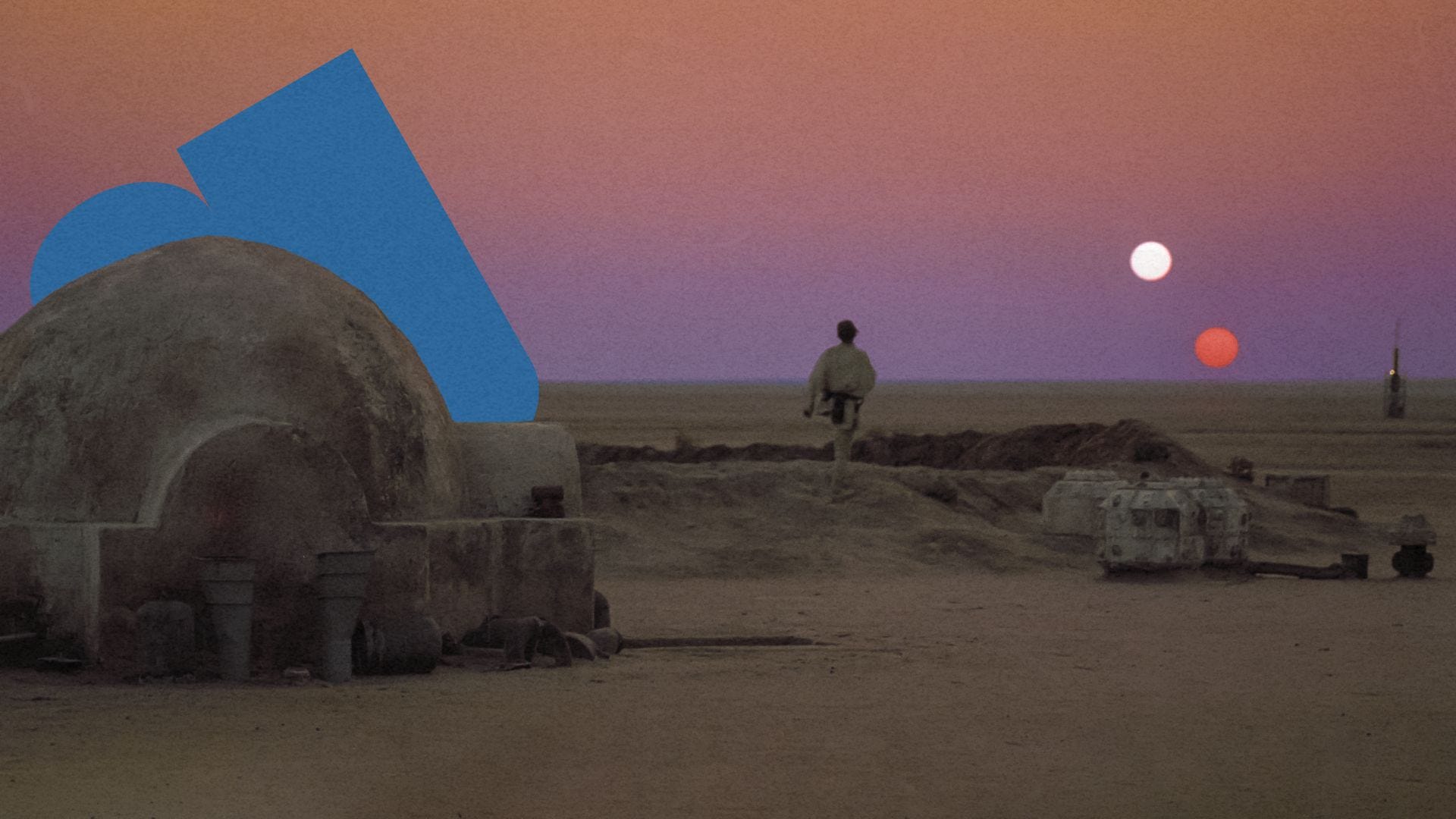
Williams deserves immense credit for how well he was able to capture George Lucas’ singular vision. Lucas originally planned to use classical music in the film (like 2001: A Space Odyssey), but after a recommendation from Spielberg, Lucas decided to give Williams a chance. You can still hear the classical influences on the first Star Wars score; but even if he took classical inspiration, Williams created a lasting symphonic masterpiece.
Raiders of the Lost Ark (1981)
I’d be remiss not to discuss the Indiana Jones franchise, a series of film scores that simultaneously set the standard for the “action adventure sound,” while simultaneously taking inspiration from the serials of the 1930s and 1940s. It’s not as culturally ingrained as the Jaws theme, but most people could hear the opening melody of Raiders and recognize it as a classic adventure score (and hopefully they would know it was for Indiana Jones).
Similarly to Star Wars, it’s fascinating to hear how Williams has evolved his Indiana Jones music from Raiders of the Lost Ark in 1981 all the way to the fifth installment, Dial of Destiny, in 2023. As Indy has aged, in a way, the theme has aged, too. He’s written some nice, contemplative versions of the theme as well as some grander takes on the instrumentation. The films themselves are set in different time periods, so Williams also uses that as a chance to musically evolve. Some films have the Nazis as the bad guys, later entries have the Soviets as the villains, and seeing how Williams pays tribute to those eras musically has been fantastic. But it all started with Raiders, a triumphant score that truly defined the action-adventure sound.
Bonus Scores
There are some lesser-known films early in Williams’ filmography that I also associate with summertime.
The Cowboys (1972) features a classic Western score in the style of composers like Elmer Bernstein and Aaron Copland. Unfortunately, this released towards the end of the Western popularity period (it was one of John Wayne’s final films) but remains one of the few times Williams has been able to tackle that genre.
The Sugarland Express (1974) stars Goldie Hawn in an early Spielberg film, his first collaboration with Williams. Heavily featuring the harmonica in his music, Williams captures a midwestern Americana feel with ease. I’ve mentioned various types of patriotic and Americana scores in this blog, but his music for Sugarland Express is another unique take on that, embracing the folksy side of American music.
A John Williams Summer Playlist
John Williams’ impact on film (and on my own life!) cannot be overstated. Enjoy this playlist I compiled featuring my favorite cues from all the films mentioned here, and be on the lookout for future “seasonal” film music guides.