
The Fear of God in “Death of a Unicorn”
Healing, Judgment, and the Power of the Supernatural

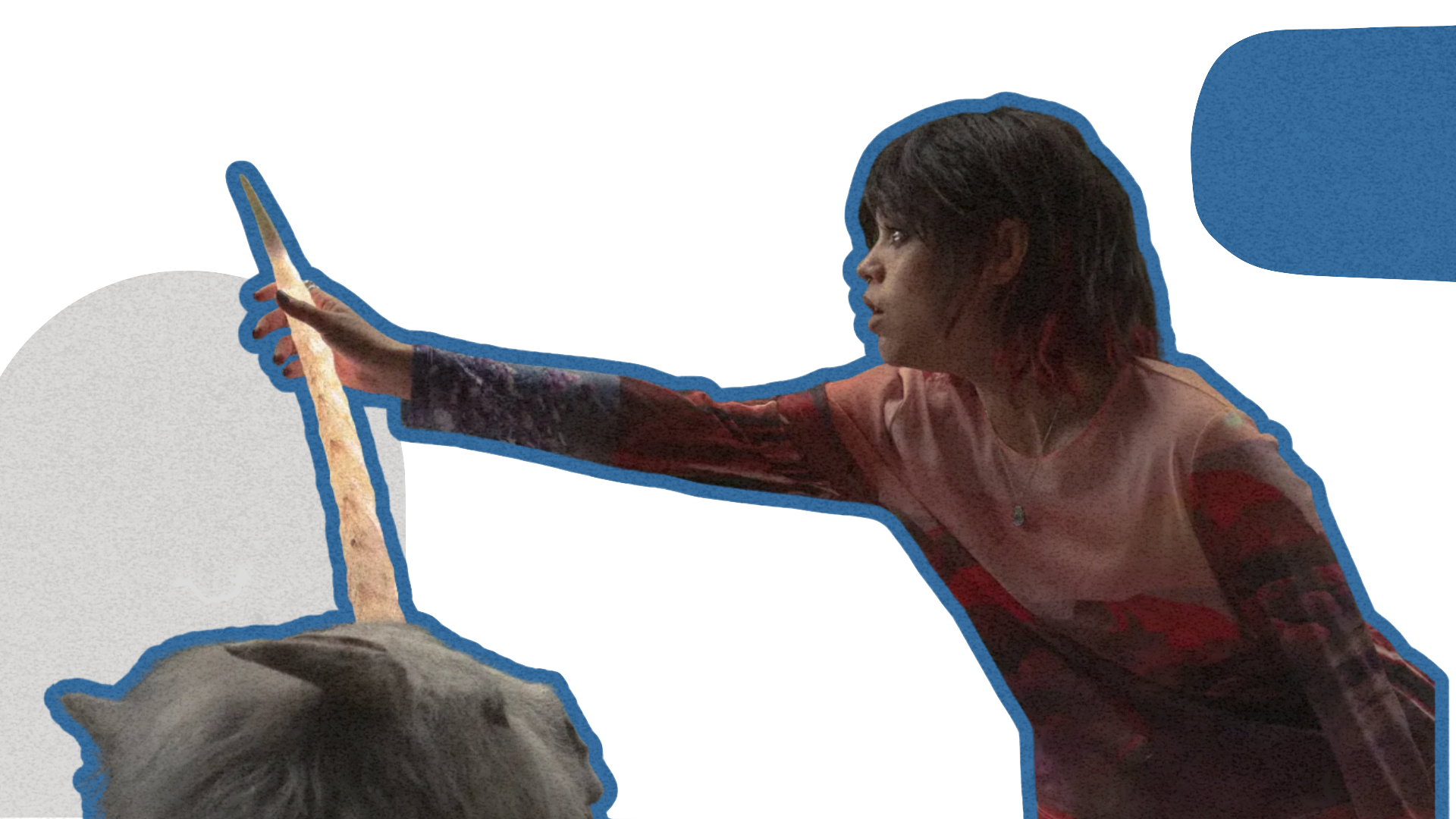
The following was first published on Film Fisher.
The fear of God isn’t exactly a popular talking point these days. To a degree it’s understandable. Our world feels increasingly hostile by the day, so naturally people want a God who is exclusively loving, gentle, and kind. As Jackie DeShannon famously sang, “What the world needs now is love, sweet love.”
Even within the church, divine wrath has proven controversial. Stuart Townend’s contemporary hymn “In Christ Alone” includes the lyrics, “on that cross as Jesus died / the wrath of God was satisfied,” but the Presbyterian church (among others) sought to change the phrase to “on that cross as Jesus died / the love of God was magnified.” It seems we’ve reached a point where we are deeply uncomfortable with a God who is anything other than “safe.”
It was with all of this rattling around in my brain that I sat down to watch Death of a Unicorn last spring. While it didn’t quite make my “best of” list for 2025, it has dominated my thoughts in the months since. It is a disarmingly earnest film that explores the intersection of the divine and the mundane, forcing us to reckon with the fear of God in its truest sense, and the transformative power of encountering something beyond our comprehension.
A Movie True to Unicorns
Following his wife’s death to cancer, Elliot (Paul Rudd) and his daughter Ridley (Jenna Ortega) are en route to a weekend retreat at his billionaire boss Odell Leopold’s house when the impossible happens: they hit a unicorn with their car.
Scared and unsure what to do, they toss the unicorn in their car and continue to the retreat. But once they arrive, they notice unexplainable phenomena. Ridley’s acne suddenly vanishes. Elliot doesn’t need his glasses anymore. Odell’s cancer goes into remission. Much like the woman who touched Jesus’ garment (Mark 5:27-29), it seems that anyone who touches the unicorn experiences healing.
As the rich Leopold family quickly works to desecrate and monetize this supernatural being, they realize this unicorn was just the child ... and its two parents are coming for judgment. What ensues is a hilarious (and occasionally gruesome) survival film in which Elliot, Ridley, and the Leopolds attempt to escape the wrath of the unicorns. But make no mistake, this film is much more than what’s on the surface.
“It was really important to me that we didn’t do a cynical movie. That is, a monster movie where the monster happens to be a unicorn,” writer and director Alex Scharfman told Polygon. “It was really important to me that the movie felt true to unicorns, both in terms of their lore, but also in terms of the emotional valence that they carry…the sense of their symbolism. In a way that speaks to what they are, but also…why they’ve resonated with humans over two millennia.”
Animals and the Divine
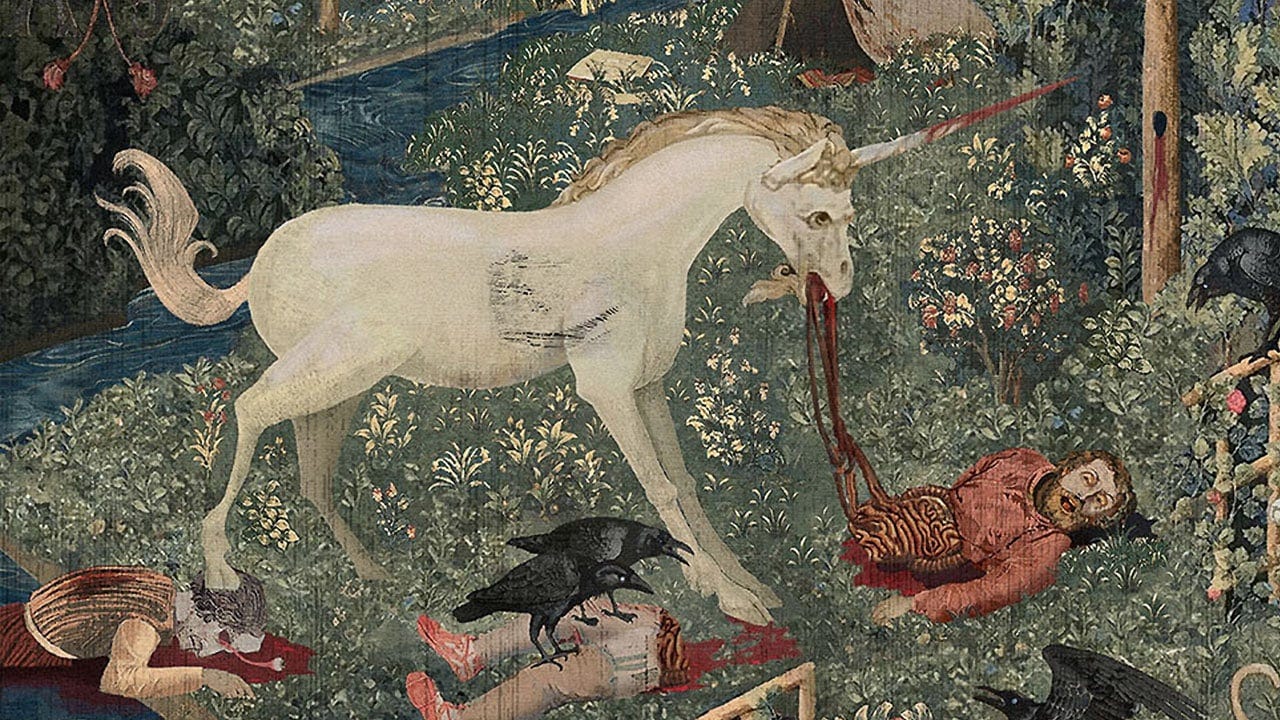
When researching the mysterious being that they hit, Ridley mentions to the group that a common interpretation of the unicorn is as “a metaphor for Christ and man’s inherent corruption.” Unicorns are pure and offer healing, but man is always seeking to control (or even kill) these supernatural creatures.
Of course, Death of a Unicorn is far from the first portrayal of Christ and the supernatural in animal form. C.S. Lewis’s popular novel, The Lion, the Witch and the Wardrobe, portrays the Godhead as a lion, Aslan. And similarly to the unicorns, the use of a lion in the novels is meant to invoke a certain level of fear:
“Is he--quite safe?,” asked Susan. “I shall feel rather nervous about meeting a lion.”
“That you will, dearie, and no mistake,” said Mrs Beaver. “If there’s anyone who can appear before Aslan without their knees knocking, they’re either braver than most or else just silly.”
“Then he isn’t safe?” said Lucy.
“Safe?” said Mr Beaver; “don’t you hear what Mrs Beaver tells you? Who said anything about safe? ‘Course he isn’t safe. But he’s good. He’s the King, I tell you.”
Fear is a natural response to God’s power and greatness. Just ask the apostles who were “filled with great fear” after Jesus commanded the storm to be still (Mark 4:41). As pastor J.D. Greear puts it, “Many people today assume that “the fear of God” is some kind of leftover relic from some oppressive, archaic view of religion. But any time you are in the presence of greatness you feel a sense of fear.”
Fear is a righteous and worthy response to the greatness of God, and within the context of the film, the unicorns demand this same level of fear. But as we see with the wealthy Leopold family, a lack of proper fear can lead to ruin...
Eat the Rich
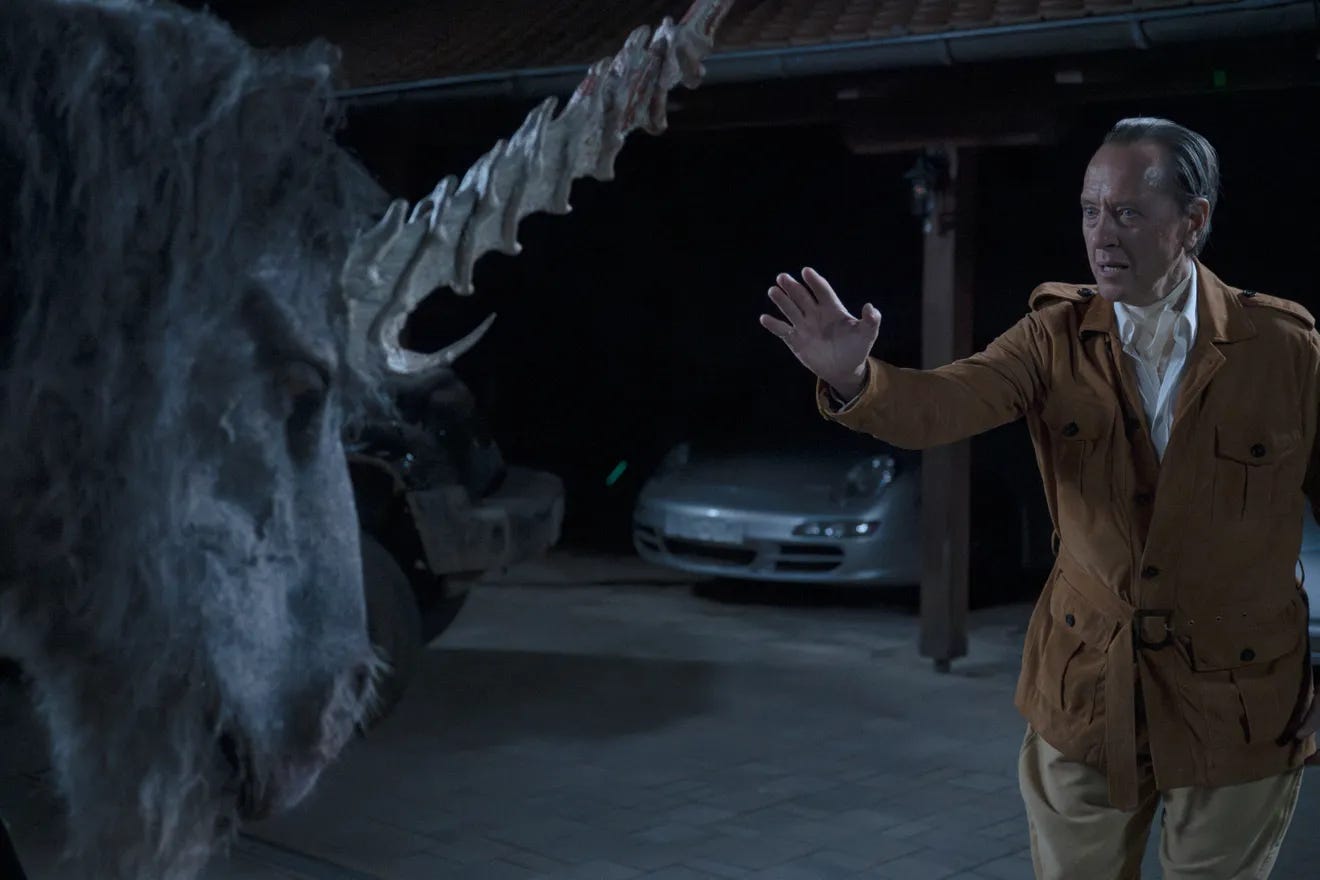
It’s easy to dismiss the Death of a Unicorn as yet another “eat the rich” allegory. After all, it does portray the deserved downfall of Odell and his family – hilariously out of touch with common people and focused only on getting richer. But beneath this trope is a glimpse at how the powers that be seek to harness anything they deem profitable, including the spiritual.
Once Odell realizes the supernatural value of the dead unicorn, his mind immediately turns to monetizing it, and he demands that his in-house doctors and scientists work on replicating the unicorn’s healing properties.
“If you gave us all the time and all the resources in the world, we couldn’t reproduce this,” Dr. Song explains. “Sometimes science can only be humbled in the face of nature.”
Odell is having none of it, spouting back pridefully, “All you can speak of is man’s limitations. Man has no limitations.”
The film highlights the arrogance of those who believe they can control or exploit the divine, and it’s these nuances that allow it to rise above common tropes. Yes, we take immense pleasure as an audience in seeing the Leopold family humbled and destroyed. But it’s not merely because of their riches. The film shows us that their lack of respect and fear for the supernatural is ultimately their undoing. To see what that respect and fear should look like, we turn to Elliot and Ridley.
A Healed Family
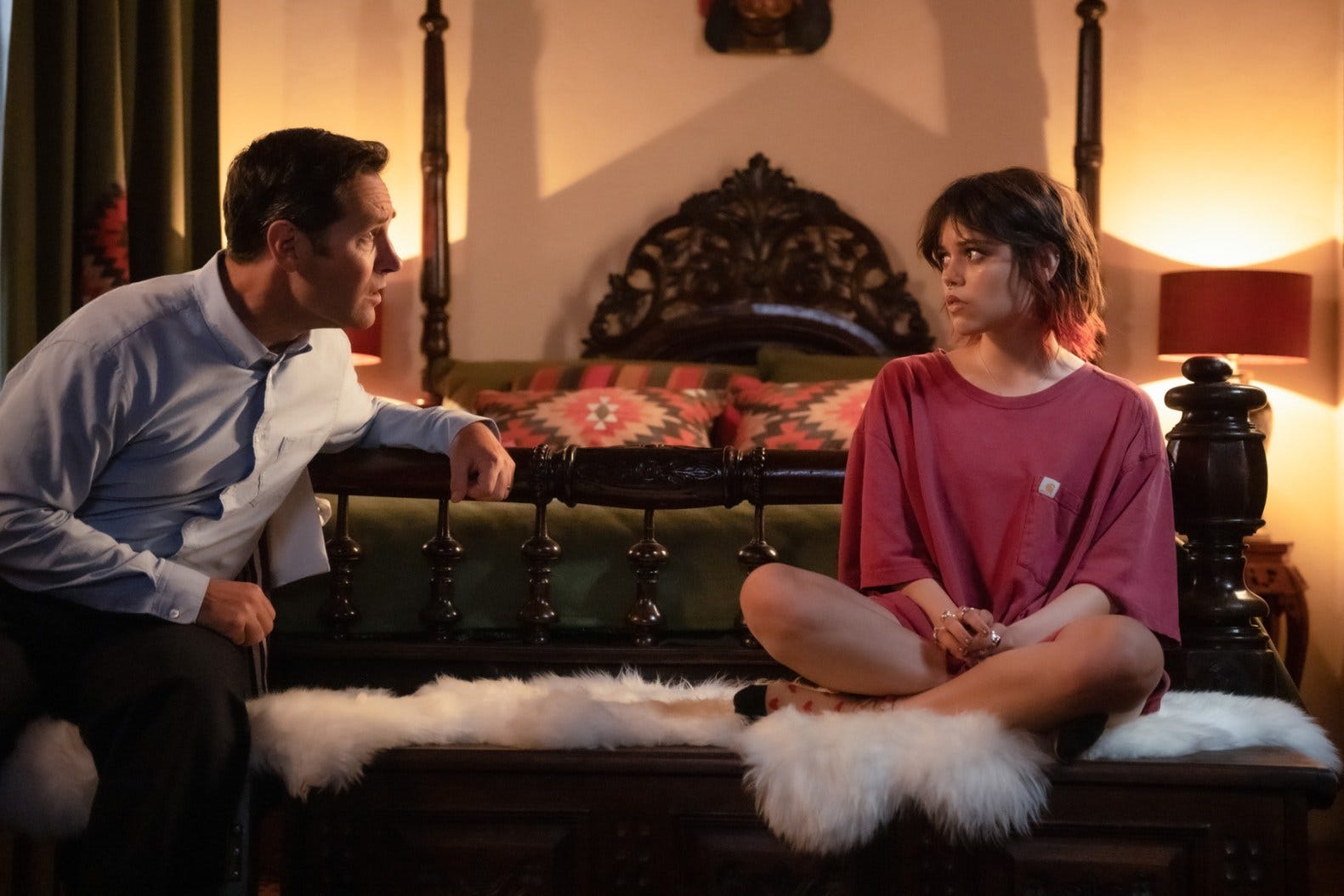
Just as the film smartly elevates “eat the rich” tropes, it uses the workings of a cliched parent-child reconciliation story to reveal further spiritual depth. Countless stories have shown a broken family following the loss of a loved one that finds a way to heal. And while that is certainly present here, the key difference lies again in the supernatural.
Death of a Unicorn is the story of how an encounter with the divine not only changes an individual on a personal level, but changes our relationships with one another. The unicorn’s power (and frankly its mere presence) help Elliot and Ridley come to terms with his wife’s and her mother’s passing, their own mortality, and the things that hold true importance in this life.
When Ridley touches the unicorn, she sees a glimpse into the cosmos, and it reframes her perspective on everything. “They were showing me where [we come from] and where we’ve already been heading back to,” she tells her dad. “Where a part of Mom was already waiting. In a place where we don’t have to worry about what we didn’t figure out while we were here.”
Witnesses of Majesty
In one final symbolic representation of Christ, the film ends with the baby unicorn being resurrected by its parents. And after a film full of foreboding music and chilling camera angles accompanying these creatures, the filmmaking no longer evokes horror. The score is majestic as the sun shines on this reunited triune family, with Elliot and Ridley looking on in wonder. It’s an oddly affecting ending for what is a largely silly film, but the sincerity with which the filmmakers treat the emotional beats makes for a genuinely moving moment.
Death of a Unicorn shows the unicorn as a creature of both judgment and healing. It suggests that those who approach the sacred with arrogance and control will face consequences. And those that approach the divine with humility will be met with salvation. By exploring the unicorn’s symbolism through a spiritual lens, the film invites us to reflect on our own relationship with the unseen.
And as the credits roll, we are left with the realization that the fear of God is not a relic of the past, but the beginning of a wisdom that recognizes we are not the masters of God, but witnesses to His majesty.
It sounds like I really need to see this! Thanks for writing about it.