
John Williams: Celebrating the Music of a Cinematic Legend
Discussing the iconic film scores, musical range, and lasting cultural impact of legendary composer John Williams across cinema, sports, and more.

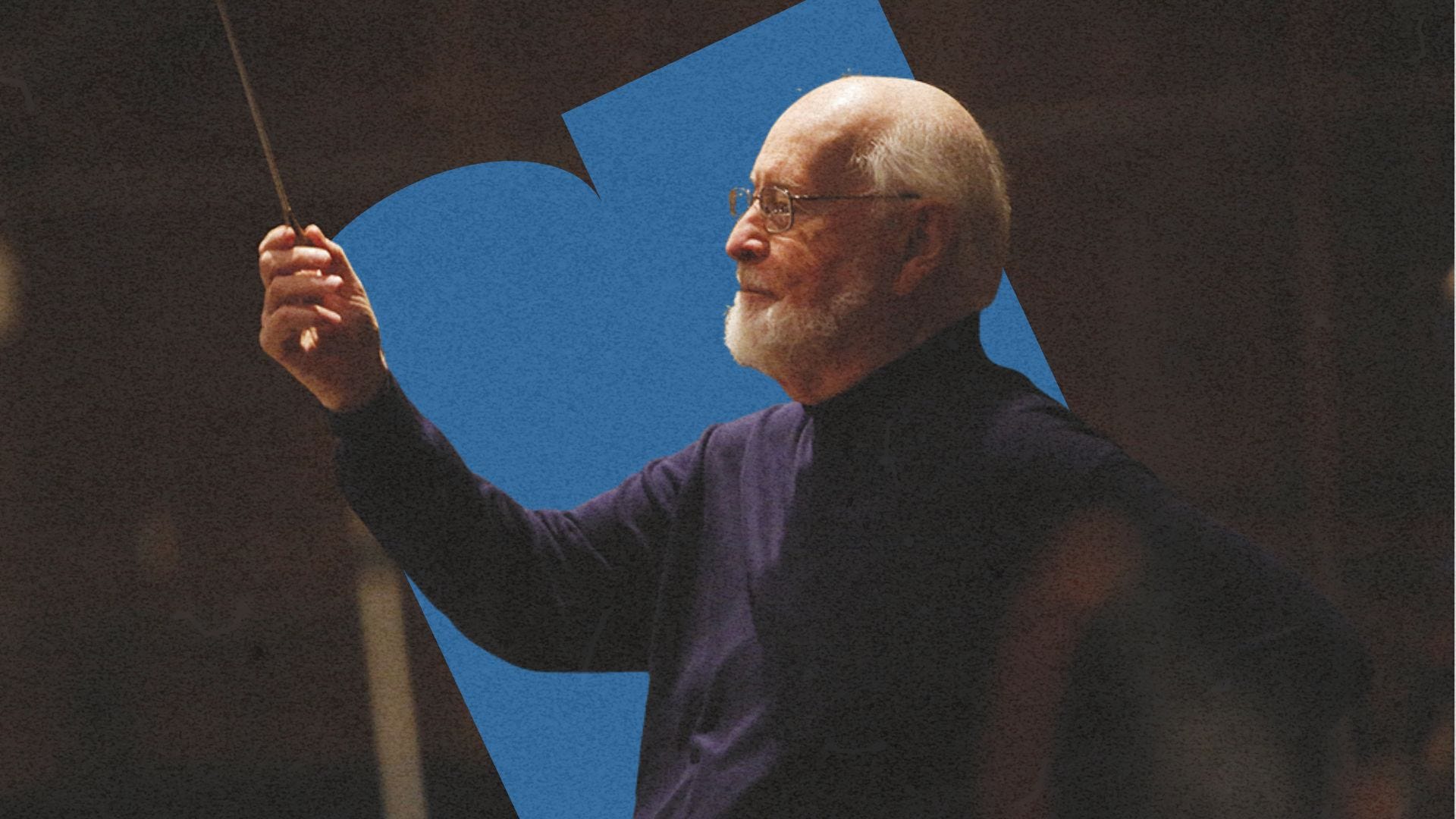
When I think about John Williams, I think about the impact he’s had on me since childhood. It’s hard to think back on my love of film—or my love of anything—without thinking of John Williams. I even remember playing the Lego Star Wars video game in elementary school and his score just stuck in my head. Back when there were CD stores still around, I bought the “Best of John Williams and the Boston Pops Orchestra” CD. John Williams has been there throughout my entire life (and long before), scoring films for decades, going back to the 1950s. I love some of his early work, arranging music for Fiddler on the Roof, his work for a western, The Cowboys, and The Poseidon Adventure in 1972. These may not be the memorable scores we all know and love like Star Wars or Indiana Jones, but careful listeners can definitely hear the musical groundwork for the icon he would later become.
I recently joined Critics Choice Association members Noel Manning and Thomas Manning on their show, Meet Me at the Movies, to celebrate the musical legacy of John Williams. I’ve included a few highlights from our show below, where I discuss the impact John Williams made on sporting events, disaster films, superhero themes, and more.
How John Williams Crafts Musical Emotions
What does wonder sound like? What does adventure sound like? When words fail, music speaks, and Williams does this effortlessly, conjuring emotions for these various film genres with music that left a lasting impact. I’ve bought various conductor scores for Williams’ works so I can listen to his score and follow along with the sheet music. Evaluating the sheet music really brings out the little nuances and musical tricks Williams uses to bring our feelings to life.
John Williams Horror and Disaster Scores
Williams has perhaps never scored a true “horror” film, but his classic score for Jaws captures the horror and tension of the dangers of the water using atonal chords and the memorable two-note melody in the bass going back and forth. A few decades later with Jurassic Park he captured both the majesty and the menace of dinosaurs, and in the mid-2000s he scored the terror of an alien invasion with War of the Worlds. Disaster films like these require much different scores than a space epic or adventure film, but Williams found ways to make these scores equally iconic.
Music for Sporting Events and News
You also can’t discuss John Williams without also mentioning his work outside of film. His Olympic Fanfare still remains culturally significant, played every four years at the Olympics, his theme for NBC Football plays every Sunday night during NFL season, and the NBC news theme perfectly captures the spirit of broadcast news. It’s amazing how seamlessly Williams transitioned between concert works and film works. There are some really great film composers and really great classical composers, but there aren’t many composers capable of making that switch back and forth. I think back to watching the Olympics, watching football, and not even knowing it was Williams for a long time, but still being impacted by the music.
Analyzing John Williams Superhero Themes
John Williams iconic theme for Superman (1978) set the template for all superhero scores, something that the DCEU and MCU scores haven’t quite been able to capture as well (though they’ve gotten better). Williams has a knack unlike almost any other film composer to write melodies that audiences can remember and hum. Many modern composers (often due to studio mandates) don’t write hummable, memorable themes. Filmmakers lately are striving for realism, which means that scores are told to take a backseat and simply enhance emotion, not stand out and take over. That type of music can work well in the context of the film, but audiences don’t necessarily leave the film remembering those score. Alan Silvestri’s Avengers theme is one of the few modern superhero themes that works because he was willing to write an bold, throwback melody, and the directors gave him the space—like the portals scene in Endgame—to let the music shine.
Film Composer Styles and Range
I greatly admire the diversity of sounds and scores John Williams has managed to craft. From horror and adventure to westerns and dramas to fantasy and kids films, Williams is a musical chameleon, writing iconic and memorable scores in nearly every genre. It’s all too easy for composers (even great composers) to get boxed in and associated with only one type of music or sound. I interned with Hans Zimmer in 2017 and love his music, but audiences often associate him with specific types of sounds, whether the Gladiator / Pirates of the Caribbean swashbuckling style or the action and thriller sounds of Inception and The Dark Knight. Zimmer really has to innovate and push himself and his collaborators to ensure his sound doesn’t get stale and he doesn’t get trapped doing the same thing over and over. The same can be said of Alexandre Desplat’s trademark “whimsical” scores in his collaborations with Wes Anderson and Guillermo del Toro. These are famous composers that are wonderful at what they do, but that haven’t always been given the space to demonstrate the range that John Williams has.
You can watch our full discussion on Meet Me at the Movies, including Williams’ other classic films like Saving Private Ryan, Star Wars, and E.T. the Extraterrestrial. You can also read my blog about 8 Williams scores that remind me of summertime.